According to IOL, judged by that standard, the South African Football Association (SAFA) appears to have little goodwill left to draw upon. The latest administrative mishap, which delayed Bafana Bafana’s departure for the 2026 FIFA World Cup in the United States, Mexico and Canada because of unresolved visa issues, has once again exposed serious shortcomings within the organisation.
The governing body has come under widespread criticism. Deputy Minister of Sport, Arts and Culture Peace Mabe accurately captured the mood when she described the situation as “shocking and embarrassing.” Minister Gayton McKenzie was even more direct, saying: “We are being made to look like fools.”
READ: Flashback – When Tshabalala made South Africa dream
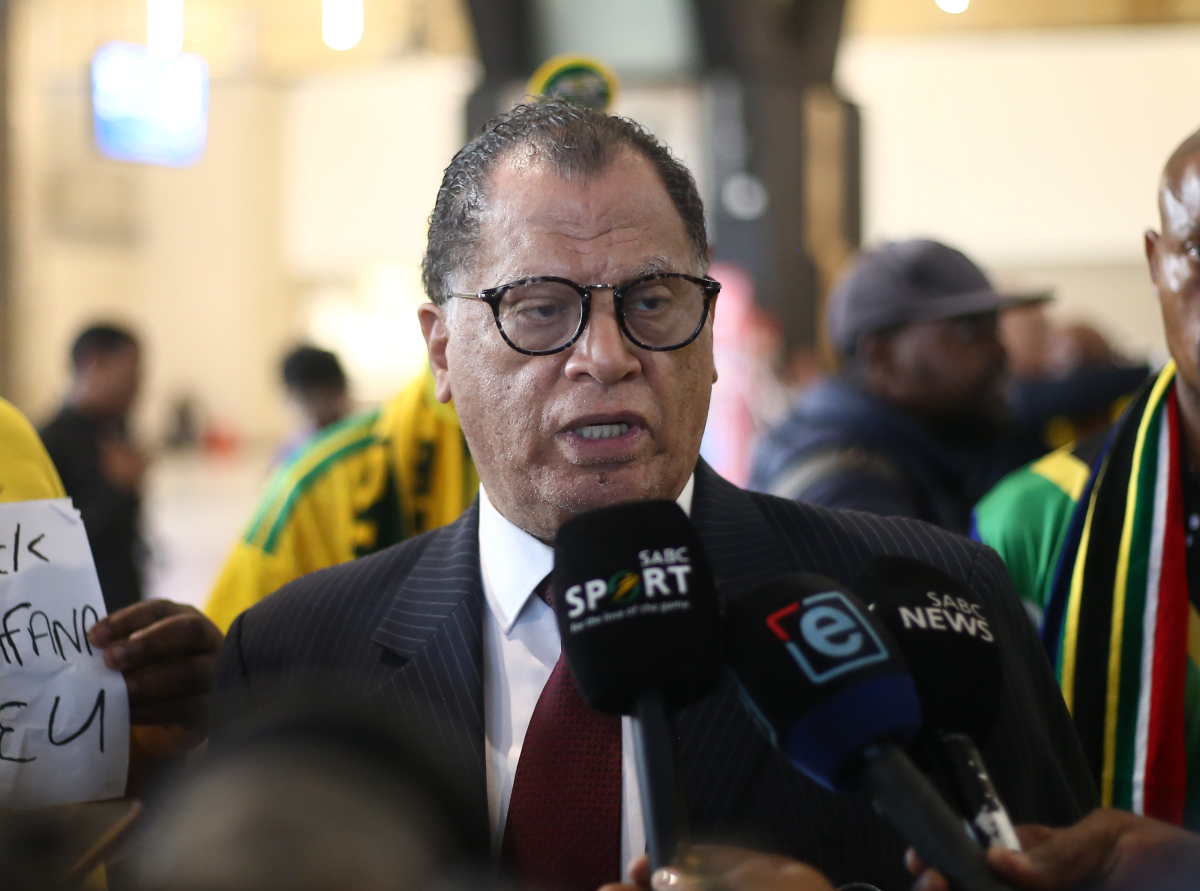
Despite the backlash, SAFA president Danny Jordaan appeared disconnected from the gravity of the situation. Rather than accepting responsibility, he attempted to downplay the issue and even suggested the visa complications could serve as “extra motivation to do well” for Bafana Bafana.
South Africans are known for their resilience, but Jordaan’s remarks stretch credibility. The statement effectively rewards failure rather than accountability. When leadership fails to acknowledge mistakes, it becomes difficult to expect improvement.
While Jordaan sets the tone, responsibility for the visa saga also falls heavily on team manager Vincent Tseka.
Tseka has already been linked to one of the most damaging administrative blunders in recent Bafana history. During the World Cup qualifying campaign, midfielder Tebogo Mokoena was fielded against Lesotho despite being suspended after accumulating two yellow cards. Tseka later explained that he missed the booking because he had gone to fetch ice for a player. The oversight resulted in FIFA deducting three points from South Africa and sparked national outrage.
The latest visa fiasco only adds to that record. Ensuring travel documentation for a World Cup should be among the most basic responsibilities of team management, yet it once again became a significant problem.
Having spent much of my career covering cricket, I have seen first hand the standards set by Proteas team managers such as Dr Mohammed Moosajee, “Volvo” Masubelele and the late Goolam Rajah.
Rajah, in particular, embodied attention to detail. His role extended far beyond organising logistics. He built relationships, anticipated problems and consistently ensured players could focus solely on performance.
ALSO: Aguirre warns Mexico ahead of fierce Bafana opener
The same commitment was evident in the work of late Stormers manager Chippie Solomon. Stormers coach John Dobson described him as “fiercely loyal” and said he would “outdo himself with every detail and arrangement running impeccably.”
That is the level of professionalism Bafana Bafana should expect. At the highest level of international sport, margins are extremely small. Teams cannot afford to battle elite opponents on the field while simultaneously dealing with avoidable administrative failures off it.
Ronwen Williams and his teammates have earned their place on football’s biggest stage. Their focus should be on preparation, tactics and performance, not travel complications and administrative errors.
The time has come for a football administration capable of matching the standards set by the players it represents.
Photo: Zamani Makautsi/Gallo Images