 Europe
•
League
Europa Conference League
2026/2027
36
Teams
366
Matches
Europe
•
League
2026/2027
36
Teams
366
Matches
 Trabzonspor
 SC Freiburg
November 5, 2026 · 19:45
 Mjällby
 Borac Banja Luka
November 5, 2026 · 19:45
 Lincoln Red Imps
 Hajduk Split
November 5, 2026 · 19:45
 KuPS
 Gent
November 5, 2026 · 19:45
 Crvena Zvezda
 Inter Club d'Escaldes
November 5, 2026 · 19:45
 Thun
 Hearts
November 5, 2026 · 19:45
 FC Midtjylland
 Ajax
November 5, 2026 · 19:45
 Atalanta
 Kairat
November 5, 2026 · 19:45
 AGF
 Sporting Braga
November 5, 2026 · 19:45
 Universitatea Craiova
 Egnatia Rrogozhinë
November 5, 2026 · 22:00
 Europa League
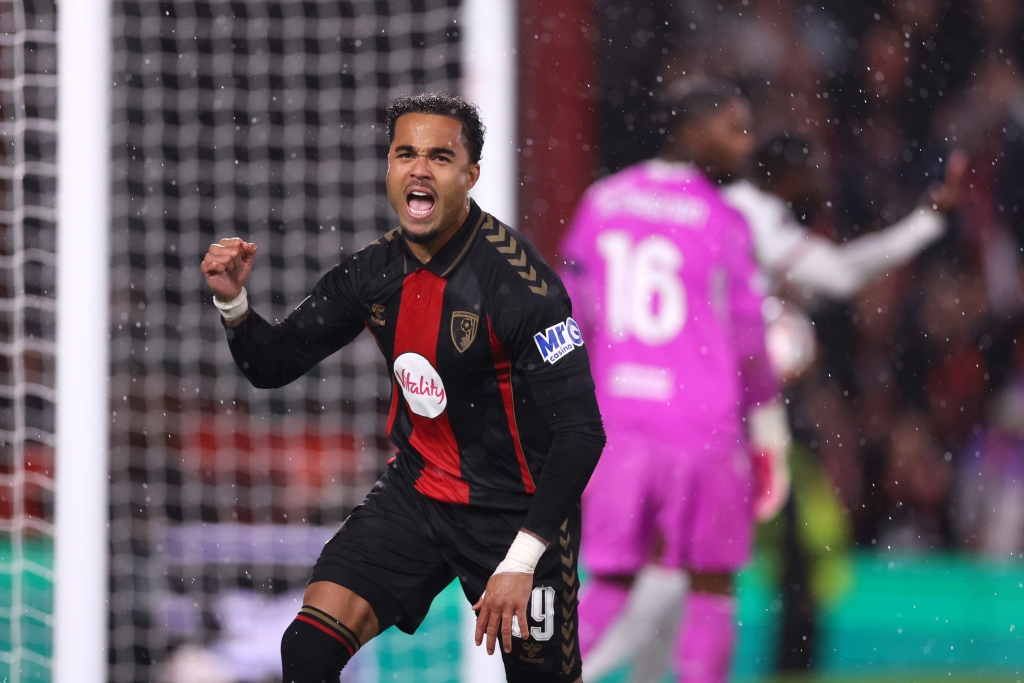
Bournemouth made it three wins from three in the Europa League, Juventus and Sunderland dropped points, and Relebohile Mofokeng made an impact for USG.
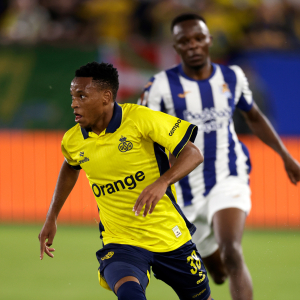
Sunderland snatched a late Europa League victory on Thursday, while Relebohile Mofokeng’s Union Saint-Gilloise rescued a draw against Real Sociedad.
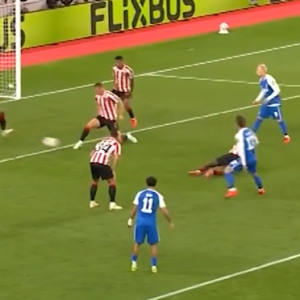
Watch Sunderland pull off a heroic defensive stand to keep AZ Alkmaar at bay in the Europa League.
| # | Team | P | W | L | Pts | Form |
|---|---|---|---|---|---|---|
| 1 |
 Panathinaikos |
2 | 2 | 0 | 6 |
W
W
D
D
D
|
| 2 |
 Lugano |
2 | 2 | 0 | 6 |
W
W
D
W
D
|
| 3 |
 Brann |
2 | 2 | 0 | 6 |
W
W
W
D
L
|
| 4 |
Trabzonspor
|
2 | 2 | 0 | 6 |
W
W
|
| 5 |
 FC Twente |
2 | 2 | 0 | 6 |
W
W
L
D
W
|
| 6 |
 Monaco |
2 | 2 | 0 | 6 |
W
W
W
W
|
Top 4 qualify for European competition
Panathinaikos
PAO
Lugano
LUGA
Brann
SKB
Trabzonspor
TRA
FC Twente
TWE
Monaco
ASM
The UEFA Conference League is the third-tier European club competition, introduced to expand continental football and provide more clubs with access to UEFA tournaments.
Organised by UEFA, the competition sits below the Champions League and Europa League in the European structure.
The competition was launched in the 2021–22 season as part of UEFA’s restructuring of European club competitions.
From the 2024–25 season, it adopted a new format aligned with UEFA’s wider competition changes.
The Conference League has produced a range of winners since its introduction, reflecting its open and competitive structure.
Clubs from different leagues have been able to compete and win, highlighting the competition’s role in expanding European football.
Jarrod Bowen scored the decisive goal in the 2023 final for West Ham United, highlighting the competition’s role in defining key moments.
Players across emerging and established clubs have used the competition to gain European experience and recognition.
José Mourinho led AS Roma to the inaugural title, establishing early significance in the competition’s history.
Managers across Europe have used the competition to develop squads and gain experience at continental level.
The UEFA Conference League provides opportunities for clubs that may not regularly compete in higher-tier European competitions.
It increases representation across Europe and allows teams from smaller leagues to compete internationally.
Success in the competition offers silverware, European recognition and a pathway to further continental progress.