The first is the International Federation of Football History and Statistics, known as IFFHS, a long running independent body founded in 1984 that has spent decades tracking football’s records, rankings and awards across the world game.
Their word carries genuine weight in football’s statistical community, even without any formal FIFA affiliation.
Poll: Did Rodri deserve the Golden Ball?
The second is the International Sports Press Association, or AIPS, the global body representing accredited sports journalists since 1924. Their recognition is arguably the more significant of the two, given it comes directly from the people who cover the sport for a living.
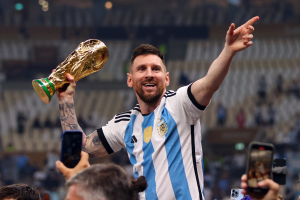
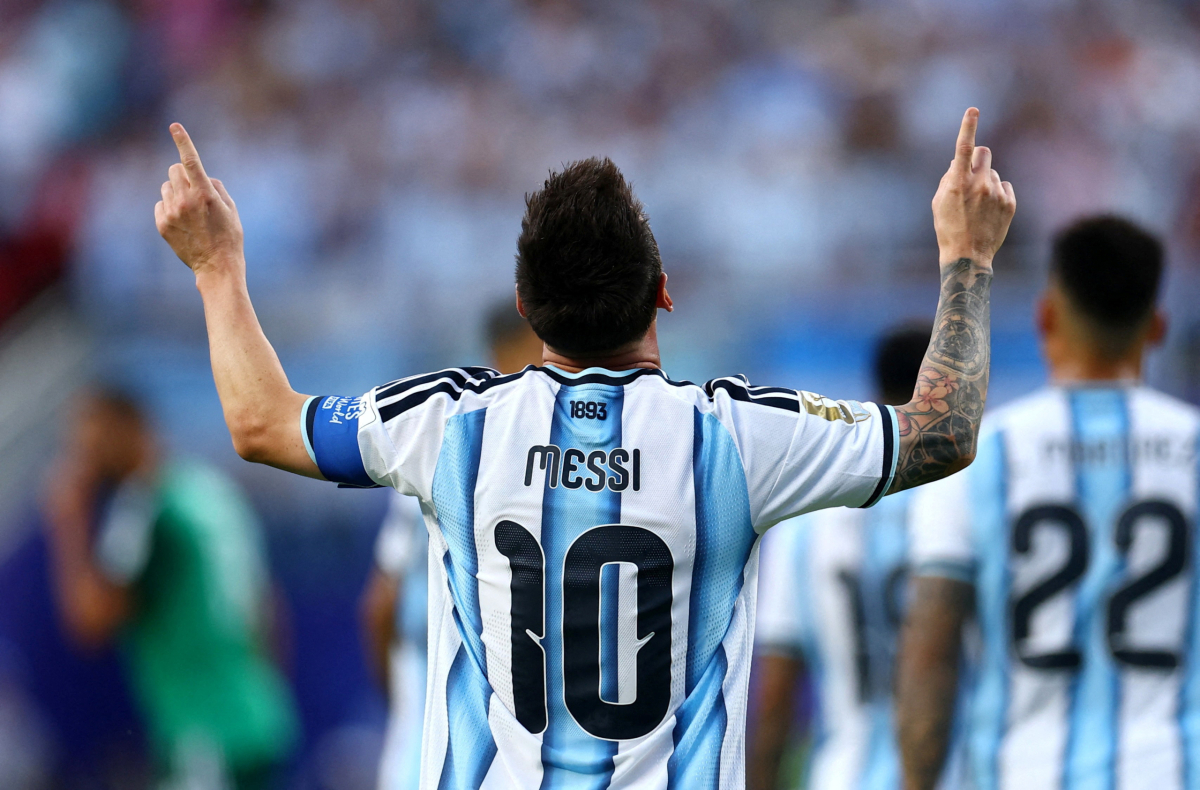
IFFHS named Messi their Best Player of the World Cup 2026, built on a performance index of match ratings, goals, assists and knockout stage impact. He featured in all seven of Argentina’s matches, contributing 8 goals and 4 assists at an average rating of 8.33. Rodri was named the IFFHS men’s best player of the year in 2024.
ALSO: Spain, France dominate FIFA’s Team of the Tournament
AIPS followed with their own Outstanding Player award, decided by 472 journalists from 121 countries, with Messi topping the vote comfortably ahead of Kylian Mbappe and Jude Bellingham.
Sky Sports’ own Power Rankings for the tournament back up the case for Messi too. Their model placed him first overall, ahead of Mbappe and Bellingham in second and third, with Rodri ranked just 18th, a striking contrast to his Golden Ball win.
Poll: Who should be Bafana Bafana coach?
Despite that, FIFA’s own official Golden Ball went to Spain’s Rodri, whose influence in a title winning midfield outweighed Messi’s individual numbers in the eyes of football’s governing body, leaving Messi to settle for the Silver Ball instead.
Photo: REUTERS/Claudia Greco TPX IMAGES OF THE DAY