According to Sky Sports, the International Football Association Board (IFAB) has confirmed a wide-ranging set of updates that will come into effect for the tournament in the United States, Mexico, and Canada.
READ: Pochettino hails US growth after Senegal win
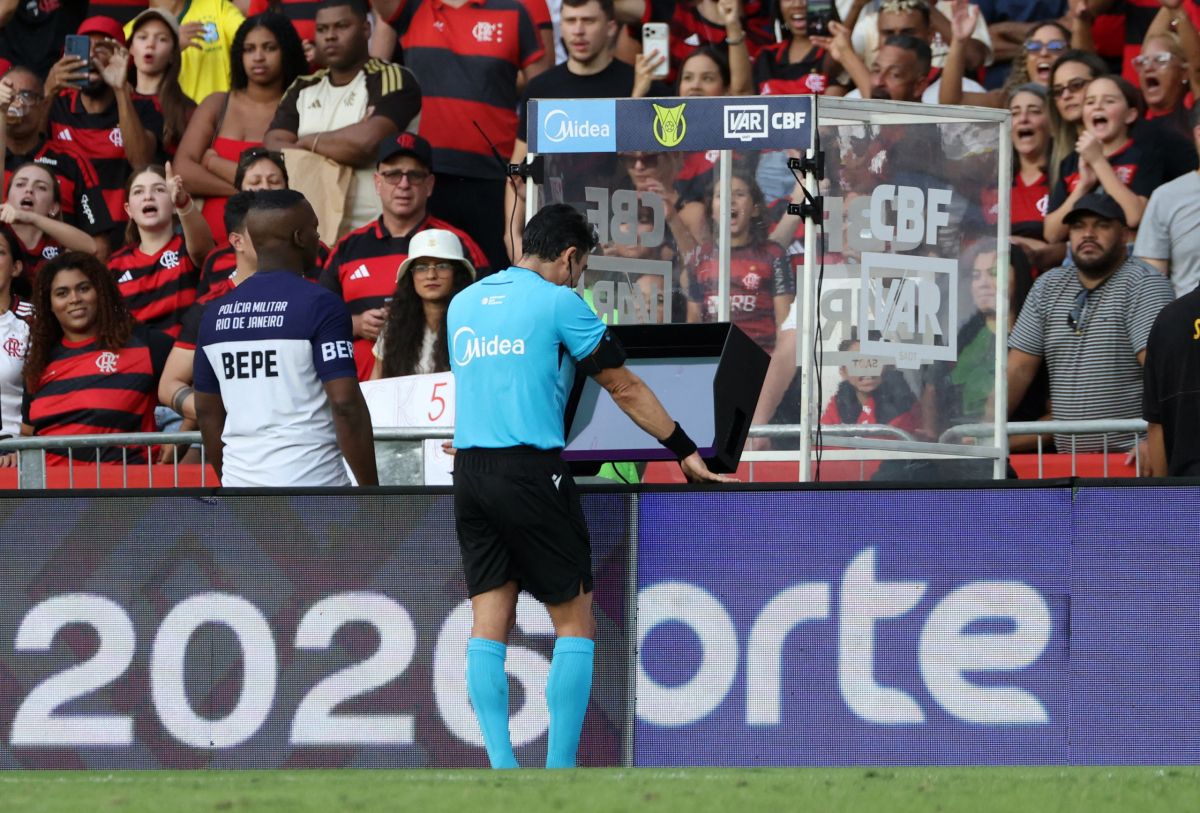
Among the headline changes, VAR will now have expanded intervention powers, including the ability to review incorrect second yellow cards, mistaken identity incidents, and clearly wrong corner-kick decisions. Officials will also be allowed to intervene in situations where fouls occur before set-pieces are taken, with on-field reviews triggered when necessary.
Discipline has also been tightened, with players covering their mouths during confrontations now set to receive red cards. However, the rule will not apply in normal conversations between players. Teams or individuals who walk off the pitch in protest will also face dismissal, with automatic forfeiture for sides that cause matches to be abandoned.
Time management has been heavily targeted. Substituted players will now have just 10 seconds to leave the field, while referees will enforce visible five-second countdowns for throw-ins and goal-kicks. Failure to comply will result in possession changes or corners awarded to the opposition.
ALSO: Bafana’s World Cup preparation delayed by visa issues
FIFA’s refereeing chief Pierluigi Collina also confirmed measures to curb so-called “tactical timeouts,” where injuries are used to halt momentum and allow informal coaching. Players receiving treatment on the pitch must now remain off for at least one minute once play resumes.
Hydration control has also been formalised, with mandatory three-minute breaks introduced in each half of every World Cup match, giving officials greater control over stoppages.
Officials say the aim is to improve flow, reduce gamesmanship, and ensure fairer, faster contests at football’s biggest tournament.
Photo: REUTERS/Sergio Moraes