The school holidays had just begun. In the weeks leading up to the 2010 FIFA World Cup, everything at school revolved around football. We had assignments to bring vuvuzelas and make makarapas, with teachers grading whose design was the best. There were themed school days where everyone wore the jersey of the country they thought would win the tournament.
I wanted a Brazil jersey because everybody said Brazil were the best team in the world. But by the time my parents went looking for one, there were no Brazil tops left anywhere. So, in proper parent fashion, my dad, or maybe my mom, just picked the next jersey they thought looked cool.
It ended up being a Spain jersey.
Little did I know Spain would actually go on to win the World Cup.
Back then, the tournament felt endless in the best possible way. For us as kids, it felt like the longest holiday ever created. Everywhere you went, there was noise, colour and football. Streets echoed with the sound of vuvuzelas from morning until night. Almost every car had a South African flag hanging from the window. Every television was tuned to football. And who could forget the Jabulani ball, which seemed to divide opinion everywhere you went.
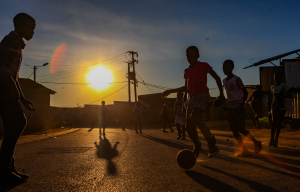
And in the townships, the streets became stadiums.
The gents would play “street game”, using two bricks or crates as goals on either side of the road. You had to score between the bricks or into the crate. Every kid picked a player before kickoff. Most days, I was Xavi. Others were Lionel Messi, Kaká or Fernando Torres. Then after sunset, we would rush inside and play the 2010 FIFA World Cup game on PlayStation 3 for hours.
That tournament gave South African football fans something bigger than results. It gave an entire generation memories.
ALSO: Broos salutes Bafana’s unsung heroes
And somewhere in between all of it, Shakira’s Waka Waka featuring Freshlyground seemed to follow us everywhere, the unofficial anthem of that era. It played from taxis, from television sets, from backyard gatherings, like it belonged to the streets just as much as the tournament itself. This time for Africa… and suddenly everyone knew the words, even if they did not know where they learned them.
Then came that moment at Soccer City.
The commentary still lives in people’s heads today.
“Goal for South Africa. Goal for all Africa.”
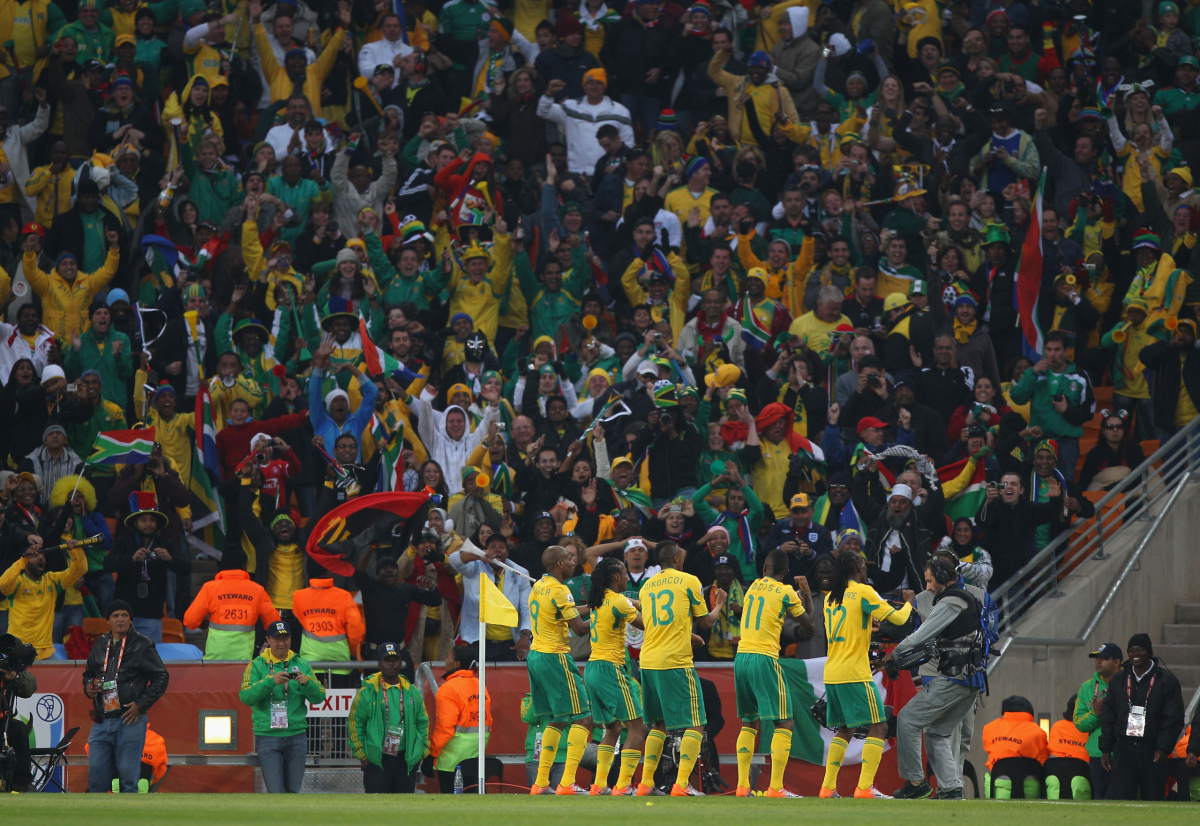
When Siphiwe Tshabalala thundered the ball into the roof of the net against Mexico, the country erupted. The commentary carried the emotion of an entire continent. It sounded like pride. It sounded like disbelief. It sounded like history unfolding in real time.
Even though Bafana Bafana did not progress beyond the group stage, that team inspired millions. They made young kids believe football could bring streets, schools and communities together in a way few things ever had before.
Now, ahead of the 2026 FIFA World Cup, another South African generation has the opportunity to create its own story. This time, they have qualified, giving them a chance to build on the legacy of 2010 and push even further on football’s biggest stage.
This current Bafana side has the chance to go even further than the class of 2010. More importantly, they have the chance to inspire the next wave of kids playing street games between bricks, blowing vuvuzelas outside their homes and dreaming about representing South Africa on football’s biggest stage.
And fittingly, on this day, South Africa once again face Mexico, the same opponent from that unforgettable opening night at Soccer City in 2010. For a new generation of Bafana players, it is another opportunity to create a moment that South Africans will still be talking about 16 years from now.
That is the true legacy of 2010.
It never really ended.
READ: Broos names final Bafana Bafana World Cup squad
Notes:
• Makarapa: A colourful handmade hard hat traditionally worn by South African sports fans, especially during football and rugby matches.
• Vuvuzela: A plastic horn that became the defining sound of the 2010 FIFA World Cup in South Africa.
• Jabulani: The official match ball of the 2010 FIFA World Cup, known for dividing opinion among players and fans.
• Bafana Bafana: The nickname of the South African men’s national football team.
• Soccer City: The tournament name for FNB Stadium during the 2010 FIFA World Cup, which hosted both the opening match and the final in Johannesburg.
Photo: Michael Steele/Getty Images