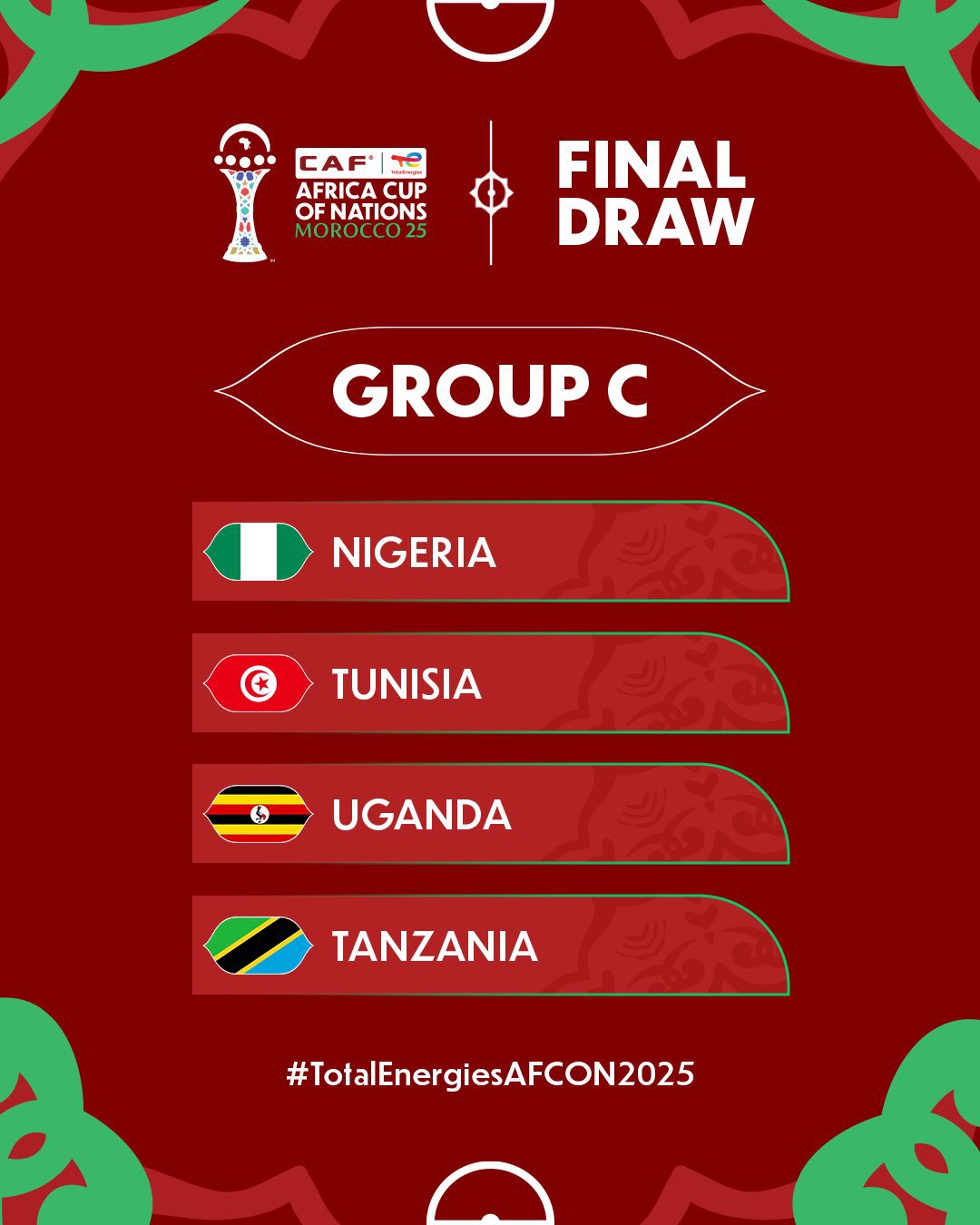
Group C at Morocco 2025 brings together one established continental powerhouse and three nations at different stages of competitive evolution.
Nigeria enter with historic weight and a squad built for a deep run, while Tanzania arrive on the back of unprecedented progress.
Tunisia, traditionally consistent but currently restructuring, seek to reassert themselves, and Uganda aim to leverage organisation and resilience to challenge for knockout-stage qualification.
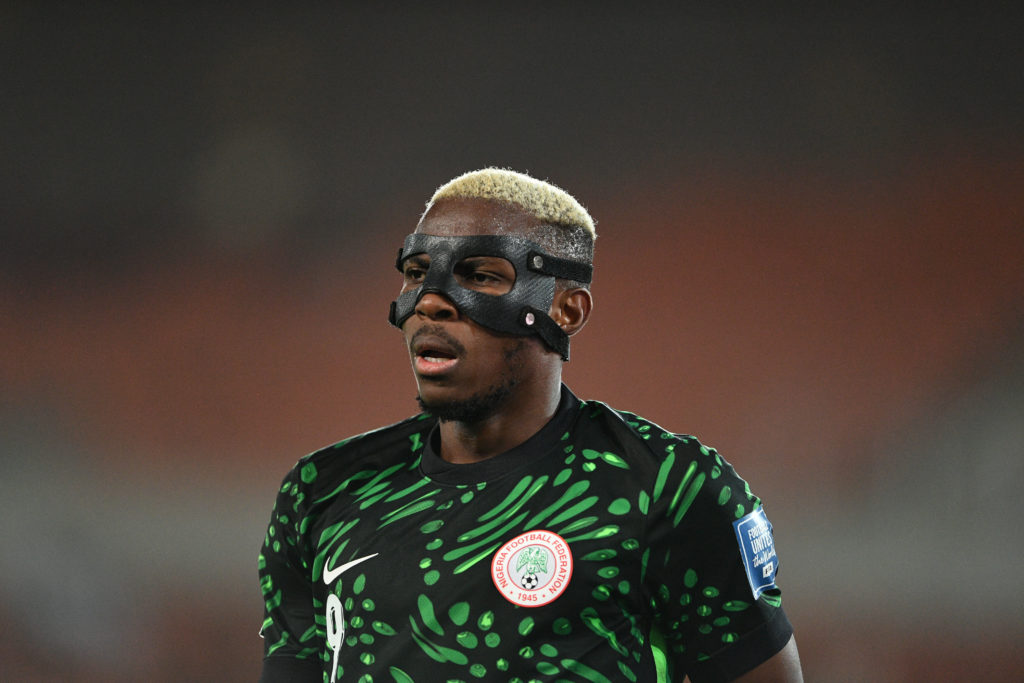
Nigeria travel to Morocco with both historical legacy and contemporary expectations shaping their campaign. With three African titles and 20 previous AFCON appearances, the Super Eagles remain one of the continent’s most accomplished national teams.
Under the leadership of Eric Chelle, a coach with extensive experience across African competitions, Nigeria seek to build on their runners-up finish at the 2023 edition in Côte d’Ivoire, where they narrowly missed out on the title to the hosts. Their last time competing in Morocco—back in 1988—also ended with a second-place finish behind Cameroon, further underscoring their long-standing competitiveness.
AFCON Group A: Morocco lead competitive field
Qualification for this tournament was secured with relative ease, as Nigeria finished atop a group containing Benin, Libya and Rwanda. Their frontline is anchored by the prolific Victor Osimhen, supported by the creativity of reigning African Footballer of the Year Ademola Lookman and the reliability of goalkeeper Stanley Nwabali. This combination of individual quality, squad depth and tournament experience positions Nigeria as one of the strongest contenders for a deep run.
Tanzania, by contrast, arrive with a different form of momentum. For the first time in their history, they have qualified for back-to-back Africa Cup of Nations tournaments, marking a notable step forward for East African football.
They secured second place in their qualifying group through decisive victories over Guinea and Ethiopia. Under coach Hemed Suleiman, whose leadership has been widely described as both developmental and stabilising, the team has integrated emerging talents such as striker Clement Francis Mzize and goalkeeper Yakoub Suleiman Ali.
Although Tanzania have yet to progress beyond the group stage across their three previous appearances—1980, 2019 and 2023—the current squad carries a sense of advancement and collective belief. Their most memorable AFCON result remains a 1–1 draw with Côte d’Ivoire during their 1980 debut, but they arrive in Morocco with a stronger competitive platform than in past tournaments.
AFCON Group B: Bafana, Egypt headline complex battlefield
Tunisia enter the competition seeking to end a 20-year wait for a second continental title, their sole triumph having come on home soil in 2004. With 21 AFCON appearances, they remain one of Africa’s most experienced and structurally consistent teams. Former international Sami Trabelsi returned as head coach in February, more than a decade after his first spell, and has guided the team through a successful World Cup qualifying campaign.
However, Tunisia approach Morocco 2025 in the midst of a rebuilding phase. They qualified by finishing second in their group behind Comoros—a result that surprised many analysts given Tunisia’s historical performance levels.
The group also included Gambia and Madagascar. Key figures such as midfielder Ellyes Skhiri’s understudy Issa Laidouni and goalkeeper Aymen Dahmen will play central roles in stabilising the team’s performances. Since debuting in 1962, Tunisia have reached three AFCON finals (1965, 1996 and 2004) and finished fourth in 2019 behind South Africa.
Their uninterrupted participation since 1994 underscores their status, but consistency will determine whether they reassert themselves as contenders.
Uganda complete the group, returning for their eighth AFCON appearance under Belgian coach Paul Put, who is known for instilling tactical discipline and organisational clarity.
Uganda secured qualification as runners-up in their group, with a notable draw against South Africa in Johannesburg demonstrating their resilience. The squad blends experienced figures—such as captain Khalid Aucho, with attacking options including Denis Omedi and Rogers Mato, providing a balanced competitive profile.
Uganda’s strongest historical showing remains their 1978 run to the final, where they were defeated by Ghana. They also finished fourth in 1962. Morocco 2025 provides an opportunity to surpass their recent group-stage limitations and potentially disrupt expectations through structured defensive play and targeted counterattacks.
Group C’s decisive fixture between Nigeria and Tunisia will take place on 27 December, revisiting a rivalry marked by Tunisia’s elimination of Nigeria at AFCON 2021. Uganda and Tanzania will meet on the same day in a contest that could influence the trajectory of both teams’ qualification hopes.
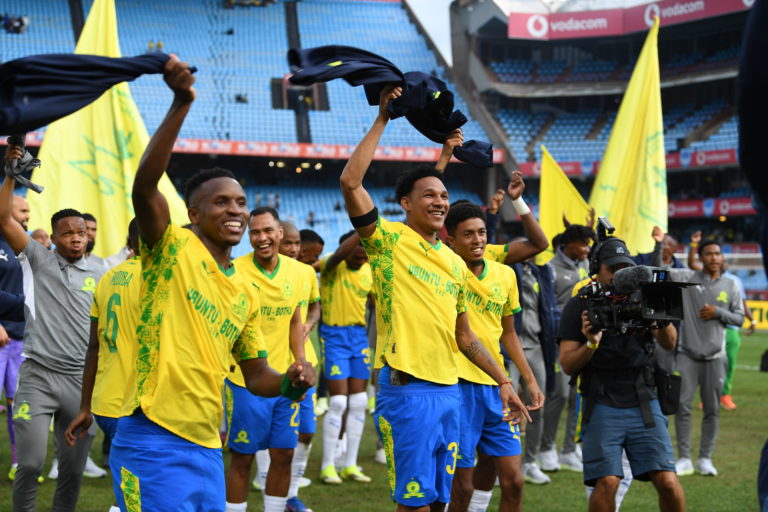
Photo by Philip Maeta/Gallo Images