Manchester City have been found guilty of 114 financial breaches. After almost a decade of confusion, secrets and decisions made behind closed doors, Manchester City will finally face the consequences of one of the largest, if not the largest, cheating scandals in footballing history, once their appeal is done with, of course.
For nine seasons, City benefited from irregular and illegal financial and commercial activity. In those nine seasons, they made history, and because of the foundations laid in that period, they continue to reap the benefits to this day.
MORE: Man City found guilty on almost all Premier League financial charges
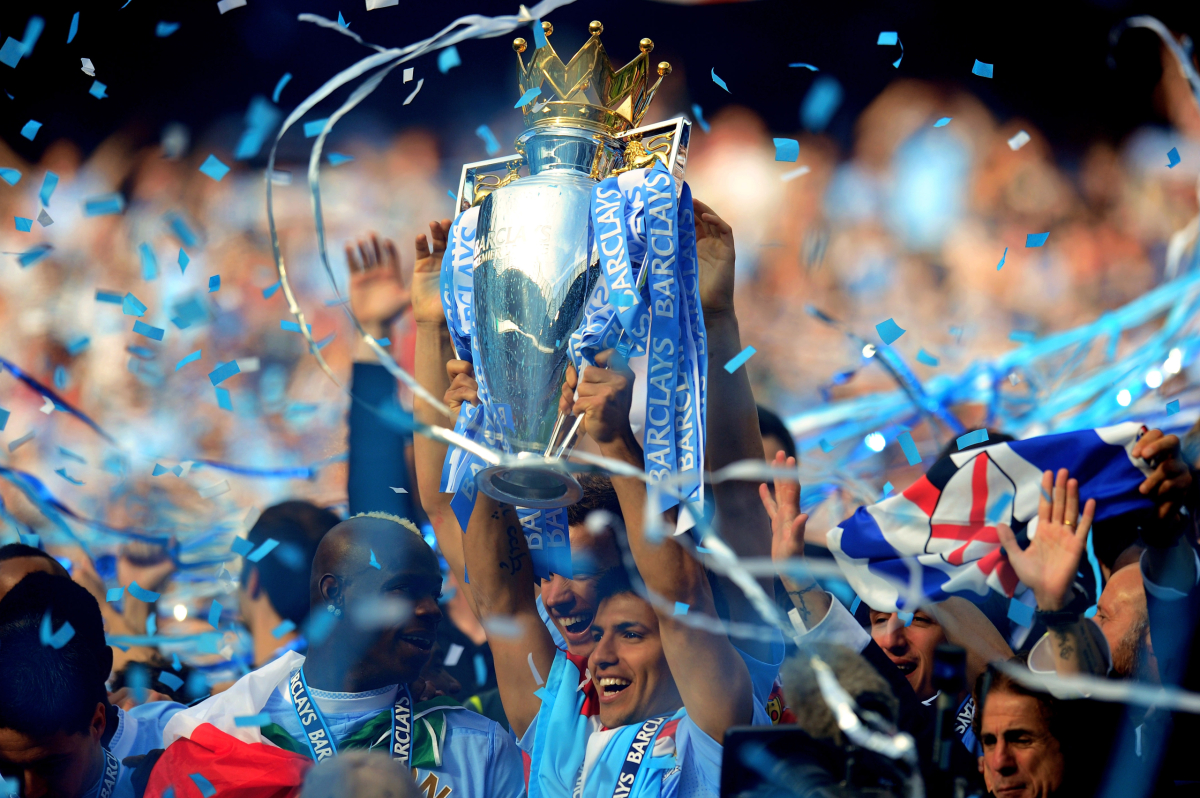
Sergio Agüero’s iconic final-day title decider, Manuel Pellegrini’s side benefiting from Steven Gerrard’s slip and Pep Guardiola’s Centurions, arguably the greatest footballing side England has ever seen.
All of it won while breaking the rules. And instead of owning it, the club did everything it could to bury it. This kind of behaviour has never been isolated during the Abu Dhabi ownership either.
In fact, this is far from their first brush with financial punishment. In 2014, UEFA fined them €60 million for breaching Financial Fair Play rules, later reduced to an effective €20 million once conditions were met, and restricted their Champions League squad to just 21 players the following season.
Six years later, UEFA came back with a two-year Champions League ban and a further €30 million fine for similar offences, only for the Court of Arbitration for Sport to overturn the ban entirely on the basis that the breaches were time-barred, though City were still fined for failing to cooperate with the investigation itself.
Commit the crime, cover it up for the necessary period, and you’re no longer guilty.
WATCH: The Soccer Show – It’s time for Rele to shine!
In the dystopian world of modern football, punishments like this are no longer the attention-grabbing shocks they once were. Four sanctions have already been handed to three Premier League clubs in the last three years alone, Everton twice, Nottingham Forest, and Chelsea, with Leicester still under investigation.
It’s the scale of City’s cheating, and the clear correlation with what happened on the pitch, that makes this such a historic case.
The damage is done. A transfer ban means nothing when City have spent close to a billion pounds across the last two years, and you cannot force them to sell Erling Haaland, arguably the best striker in the world.
You could dock them points, but does that actually help? How many would it even take? If Everton lost eight points combined across two far smaller charges, what would 114 charges look like?
You could relegate them, but then what? After one season in the Championship, is that it, all done and dusted, while they still benefit from the revenue, the players and the infrastructure that cheating built? And then there’s stripping their titles. What would that actually mean?
You cannot erase Agüero’s moment. You cannot turn to Gerrard and tell him the weight of that slip no longer matters because here’s a title medal, twelve years too late.
AFRICA PICKS: Football tips and predictions
You cannot rewind time and give the teams that finished second the parade, the celebration, the memory of lifting that trophy in front of their own fans, a legacy that’s now nothing more than a number quietly amended on a website.
Liverpool and Manchester United fans wanted to feel that victory in the moment, to celebrate like true champions, not receive it years later as a footnote. And the clubs who might inherit these titles wouldn’t want them on those terms either.
In the end, no punishment fully fits what City did. A fine is paid and forgotten. A ban is served and moved past. Even a points deduction, however severe, doesn’t reach back and change what was already won on the pitch. That’s simply the limit of what sanctions can do once the damage is nearly a decade old.
Photo: Shaun Botterill/Getty Images