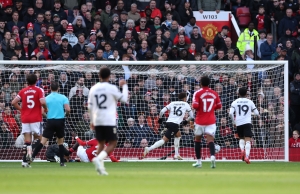
Chelsea’s 3-0 defeat to Brighton did more than deepen a poor season. It made it five straight league defeats without a goal, their worst such run since 1912, and pushed the club’s wider project back under the spotlight.
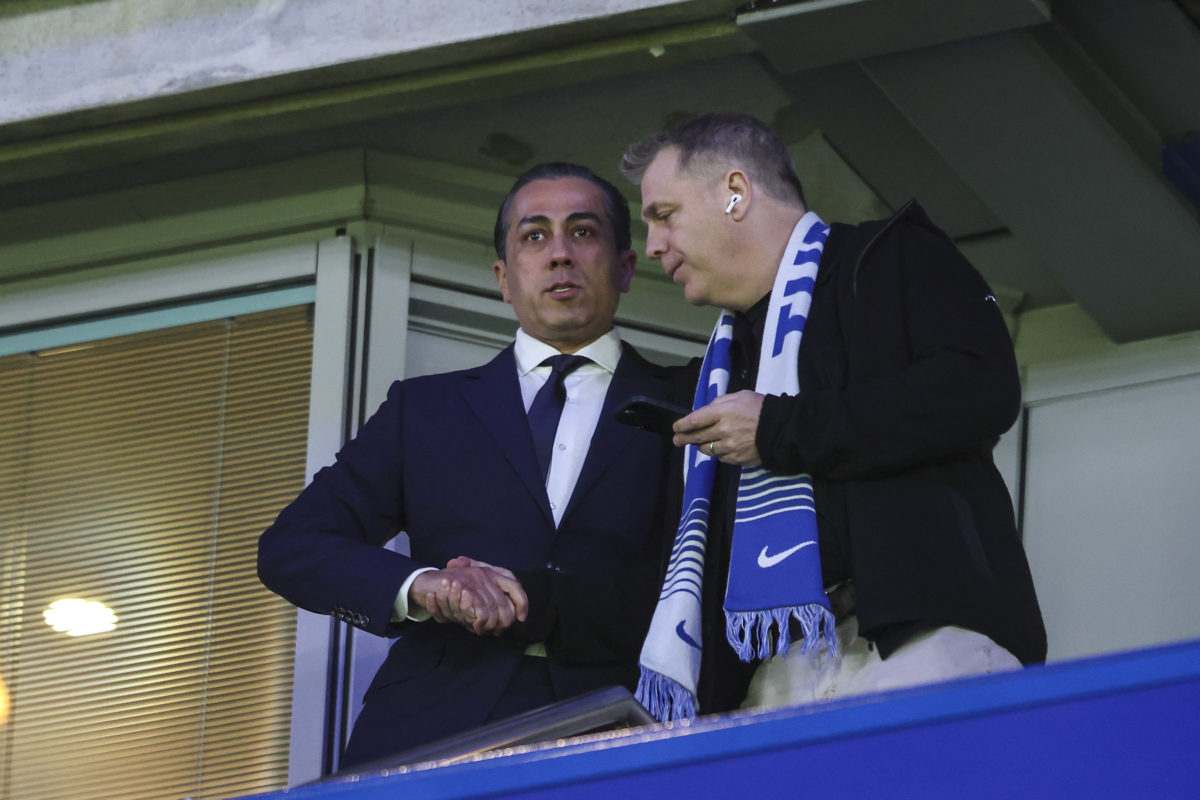
A report from The Athletic, makes clear the scrutiny is not limited to the coach. It sits on BlueCo, the ownership group that bought Chelsea in 2022 for £2.35 billion in cash, paid a further £49.8 million to former directors involved in the sale, and committed another £1.7 billion to the club.
“I feel numb, I’m so angry.”😳
Liam Rosenior says it is “unacceptable” the way that Chelsea played.😲 pic.twitter.com/m5EerEMibh
— Match of the Day (@BBCMOTD) April 21, 2026
The scale of the investment has been extraordinary. BlueCo’s owners have put £2.9 billion of equity into 22 Holdco, the parent company above Chelsea. Clearlake, the majority owner, had provided £1.794 billion of that by June 2025, while the Todd Boehly-led group had contributed £1.106 billion. A further £450 million arrived during 2024-25, with £330 million eventually reaching Chelsea.
The spending on players has been just as striking. Chelsea have spent £1.867 billion on signings under BlueCo, with roughly £1 billion of that still representing net spend. The first year brought £745.2 million in transfer spending, the second £552.7 million, the third £305.5 million, and then another £263.3 million went on six players between July and September 2025 alone. More than £1 billion of that recruitment has gone on players aged 24 and under. Chelsea have spent more on teenagers than the rest of the traditional Big Six combined.
AFRICA PICKS: Football tips and predictions
The problem is that spending has not been matched by financial stability. Chelsea posted a pre-tax loss of £262.4 million for 2024-25, the biggest annual loss in English football history, despite revenue rising to £490.9 million. Under UEFA’s reporting rules, the loss was £342 million, while 22 Holdco posted a £700.8 million loss. In its first 38 months, losses at 22 Holdco totalled £1.852 billion.
Those deficits sit alongside huge debt. By June 2025, 22 Holdco carried £1.390 billion of debt. Of that, £800 million sat in senior revolving credit loans, attracting interest at 3.25 per cent plus SONIA. At current levels, that works out at close to £56 million a year.
Then there is the £500 million Ares facility, structured as payment-in-kind debt, meaning the interest compounds rather than being paid down immediately. By June 2025, £109 million in PIK costs had already built up. If left untouched, the total repayment figure could rise above £1.4 billion by 2033.
▪️ Chelsea’s operating losses under BlueCo have totalled £689m over the last three years, or £629,000 every single day.
▪️ Under BlueCo, Chelsea has spent £1.867bn on new signings, including more than £1bn on players aged 24 and under. They have spent more on teenagers than the… pic.twitter.com/qkU59sHJFt— The Athletic | Football (@TheAthleticFC) April 21, 2026
Chelsea themselves remain debt-free at club level because BlueCo has converted its funding into shares, but the wider group is not. That matters because the entire project depends on Chelsea becoming far more valuable than they are now.
The club have also faced financial punishment. Chelsea were fined £10.75 million by the Premier League over historical breaches linked to the Abramovich era and also agreed a UEFA settlement after breaching financial rules.
All of that would be easier to absorb if the football side looked strong. Instead, Chelsea are outside the Champions League places, commercial growth still trails their rivals, and the latest defeat has turned a bad run into a historic one. BlueCo’s spending has changed Chelsea’s squad, staffing and structure, but right now the numbers remain more convincing than the results.
Photo: Robin Jones/Getty Images